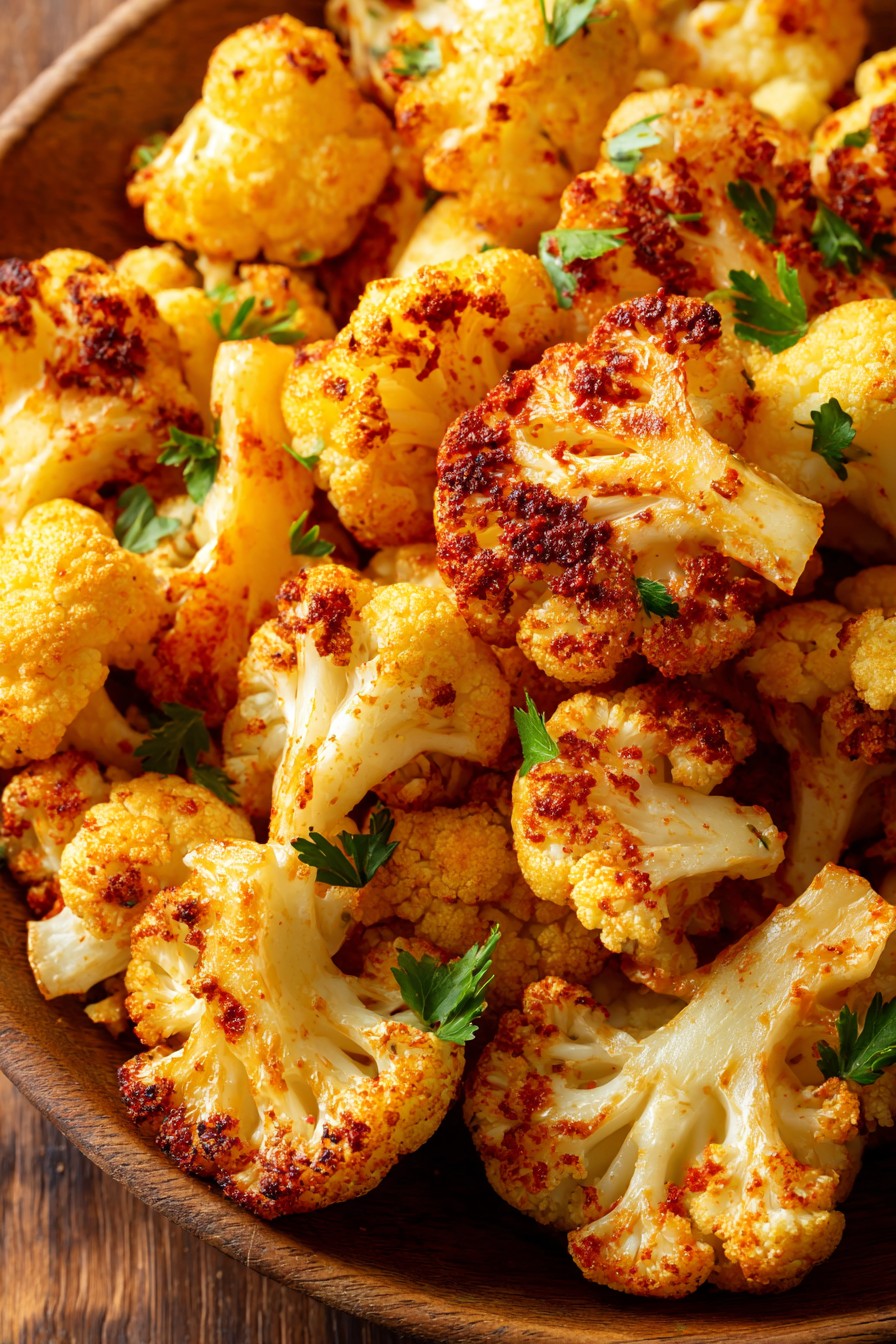
Roasted Cauliflower: Unlock Sweetness & Golden Perfection
The humble cauliflower, often relegated to the background of a crudité platter or a bland steamed side, holds a secret: a profound, natural sweetness waiting to be unleashed. While steaming or blanching preserves its delicate essence, it's through the magical process of roasting that this unassuming cruciferous vegetable truly transforms. Roasting caramelizes its sugars, crisps its edges, and deepens its flavor, elevating it from a simple vegetable to a star on any plate. If you've never experienced the joy of perfectly
roasted cauliflower, prepare for a revelation. This article will guide you through the techniques, tips, and inspiration to achieve golden, caramelized deliciousness every time, proving why roasted cauliflower deserves a permanent spot in your culinary repertoire.
The Magic of Roasting: From Bland to Brilliant
Cauliflower truly is a blank canvas, eager to absorb whatever flavors it encounters. Unlike its raw or steamed counterparts, which maintain a more subtle, almost earthy taste, roasting brings about a dramatic change. The dry heat of the oven facilitates the Maillard reaction – a complex chemical process responsible for the browning and flavor development in many foods. This reaction is what transforms the florets into tender, sweet morsels with irresistible crispy, golden-brown edges.
What makes roasting particularly effective for cauliflower is its ability to soak up oils and seasonings, much like eggplant, yet it retains a satisfyingly firm texture. This unique characteristic means it doesn't become mushy, even as it becomes incredibly tender and flavorful. The high heat coaxes out its inherent sweetness, concentrating it and creating a depth of flavor that's simply not present through other cooking methods. This profound sweetness, coupled with a slightly nutty undertone from the caramelization, makes roasted cauliflower a versatile and highly addictive dish.
Mastering the Fundamentals: Achieving Golden Perfection
Achieving that coveted golden, caramelized perfection in your roasted cauliflower isn't complicated, but it does rely on a few key techniques. Follow these steps to ensure your florets emerge from the oven irresistibly delicious.
Choosing and Preparing Your Cauliflower
The journey to perfect roasted cauliflower begins with selection and preparation. Opt for a fresh, firm head of cauliflower with tight, white florets and crisp green leaves. Avoid any heads with discoloration or soft spots.
*
Cleaning: Rinse the cauliflower head thoroughly under cold water.
*
Trimming the Stem: First, slice off the stem end of the cauliflower, creating a stable, flat base. This makes the next steps much safer and easier.
*
Cutting into Wedges: Turn the cauliflower so it's resting dome-side up on your cutting board. Slice downward, cutting it into four even wedges through the core.
*
Removing the Core: Carefully slice off just the tough, inner core areas from each wedge. You want to get rid of the fibrous stem, leaving mostly florets.
*
Creating Bite-Sized Pieces: Now, cut across each piece to make slices roughly 1/2-inch wide. As you do this, many florets will naturally separate. It's crucial to ensure your pieces are relatively uniform in size for even cooking.
*
Separating Florets: Pull apart any florets that are still stuck together. The goal is to have plenty of flat edges on each piece. These flat surfaces are where the magic of caramelization happens when they lay flush against the hot pan.
The Essential Seasoning Base
Once your cauliflower is perfectly prepped, it's time for the seasoning. A basic recipe requires very little to yield incredible results.
*
Olive Oil: A good quality extra virgin olive oil is your best friend here. It not only helps the florets crisp up and brown but also acts as a binder for your seasonings. Drizzle generously, ensuring every floret is lightly coated.
*
Salt and Pepper: Freshly ground coarse sea salt and black pepper are non-negotiable. Don't be shy with the salt; it's essential for enhancing the flavor and drawing out moisture.
*
Optional Additions: For a simple yet flavorful boost, consider adding minced fresh garlic or garlic powder, and a squeeze of fresh lemon juice before roasting. The garlic will mellow and sweeten, while the lemon adds a bright tang that beautifully complements the rich, roasted flavors. For an extra layer of savory goodness, sprinkle with freshly grated Parmesan cheese during the last 5-10 minutes of baking.
Optimizing Oven Environment & Pan Setup
These two factors are often overlooked but are critical for achieving perfectly crispy and golden roasted cauliflower.
*
High Heat is Key: Set your oven to a robust 425°F (220°C). This high temperature is crucial for encouraging the edges to crisp and brown without overcooking the interior of the florets. Anything lower might result in steamed, rather than roasted, cauliflower, while significantly higher temperatures could risk burning the oil or the vegetable itself.
*
Give it Room to Breathe: This is arguably the most important tip.
Do not overcrowd your baking sheet! If the florets are packed too tightly, they will steam instead of roast. The moisture released from the vegetables will get trapped, preventing caramelization and resulting in soft, unappealing cauliflower. Always arrange your florets in a single layer with plenty of space between them. If you have a large head of cauliflower, it's far better to use two baking sheets, placed on separate racks near the middle of the oven, than to cram everything onto one.
*
Flip for Even Browning: For maximum caramelization on all sides, flip the cauliflower pieces halfway through the cooking time. This ensures that every flat surface gets a chance to make contact with the hot pan and develop that delicious golden crust.
*
Don't Stop Too Soon: Resist the urge to pull your cauliflower out of the oven prematurely. True roasted deliciousness comes from allowing the florets to develop deep golden-brown, almost charred, edges. This is where the concentrated sweetness and incredible texture reside.
Beyond the Basic: Versatility & Flavor Explorations
Once you've mastered the foundational technique, you'll discover that
roasted cauliflower is an incredibly versatile ingredient, fitting seamlessly into a myriad of dishes and cuisines.
A Culinary Chameleon: Serving Ideas
Its neutral yet subtly sweet flavor profile makes roasted cauliflower an excellent accompaniment or even the star of a meal.
*
Classic Side Dish: It's the perfect simple side for almost any main course, whether it's a hearty roast chicken, tender lamb, or a pan-seared steak.
*
Antipasto Platter: Serve it warm or at room temperature as part of an antipasto spread alongside other roasted vegetables, olives, and cheeses.
*
Unexpected Pairings: Its inherent sweetness makes it a delightful partner for naturally sweet seafood like scallops and lobster, creating a harmonious flavor combination.
*
Salads and Grain Bowls: Add cooled roasted florets to your favorite green salads, pasta salads, or grain bowls for added texture, flavor, and nutrients.
*
Tacos and Wraps: Use it as a delicious, satisfying vegetarian filling for lentil tacos or various wraps.
*
Beyond the Plate: Consider pureeing roasted cauliflower into a creamy, flavorful soup base, or mashing it as a low-carb alternative to mashed potatoes. It can also be crumbled into pasta dishes for a textural and savory boost or folded into frittatas and omelets.
Unleashing Global Flavors
While a simple olive oil, salt, and pepper seasoning is fantastic, roasted cauliflower is truly a perfect vehicle for creative flavorings inspired by global cuisines. Its mild nature allows it to absorb and complement a wide array of spices and herbs.
*
Italian-Inspired: Beyond the basic garlic and Parmesan, think about tossing the florets with dried oregano, red pepper flakes, and a splash of balsamic vinegar before roasting. Finish with fresh basil.
*
Mexican-Inspired: A blend of chili powder, cumin, smoked paprika, and a squeeze of lime juice creates a vibrant, smoky flavor profile. Serve with cilantro and a dollop of sour cream or avocado crema.
*
Indian-Inspired: Embrace the warmth of spices like curry powder, turmeric, ginger, and a pinch of cayenne. A drizzle of coconut milk before roasting can add richness, while a garnish of fresh cilantro and a squeeze of lime completes the experience.
*
Middle Eastern-Inspired: Try a mix of za'atar, sumac, and a touch of cinnamon, finishing with a tahini drizzle and pomegranate seeds.
The possibilities are truly endless. Experiment with different spice blends, fresh herbs, citrus zests, infused oils, and even a sprinkle of crumbled cheese or nuts after roasting to discover your personal favorite flavor combinations.
Conclusion
Roasted cauliflower is far more than just a side dish; it's a testament to the transformative power of simple cooking techniques. By understanding the fundamentals – proper cutting, generous seasoning, optimal oven temperature, and crucial breathing room – you can consistently achieve florets that are tender on the inside, crispy and golden on the outside, and brimming with a natural, concentrated sweetness. Its incredible versatility as a culinary chameleon, eager to embrace flavors from around the world, makes it a must-have in any cook's repertoire. So, next time you see that humble head of cauliflower, remember the sweetness and golden perfection waiting to be unlocked in your oven. Give it a try, and prepare to be amazed.